
a guide for cleaning an oiled hardwood floor
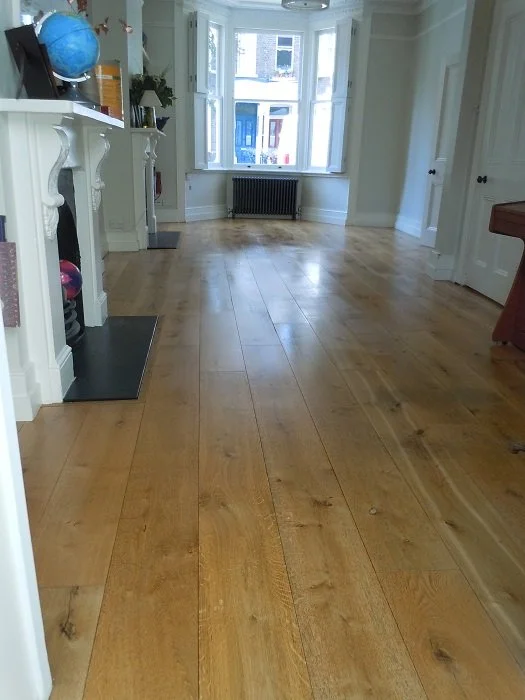
Cleaning an oiled hardwood floor requires a more delicate approach than cleaning a similar lacquered or varnished floor.
Getting Started - Dry Cleaning the Floor
The most basic requirement for cleaning an oiled floor is to remove the surface dust, fluff, and other small contaminates that accumulate daily on the floor surface.
This dry cleaning operation is easily achieved using a vacuum cleaner or a flat mop fitted with a microfiber pad.
The frequency of the task will depend upon the surrounding environment and the floors' exposure to it. Areas that get a lot of foot traffic or are adjacent to open doors where dust or fine grit can quickly enter should be dry cleaned several times weekly.
The Do's and Don'ts of Cleaning Oiled Floors
Having chosen an oiled finish for your hardwood floor, you will want to ensure you are adequately equipped to maintain it.
Do - Invest in a decent flat mop system with a good wringer.
Don't - Use an old mop and bucket that leaves too much water on the floor.
Do - Purchase a cleaning product suitable for use on oiled wood flooring.
Don't use harsh floor cleaning products or ones that polish the floor.
Do - Ensure your vacuum cleaner has a suitable floor tool for wood surfaces.
Don't just sweep the floor, moving the dust from A to B.
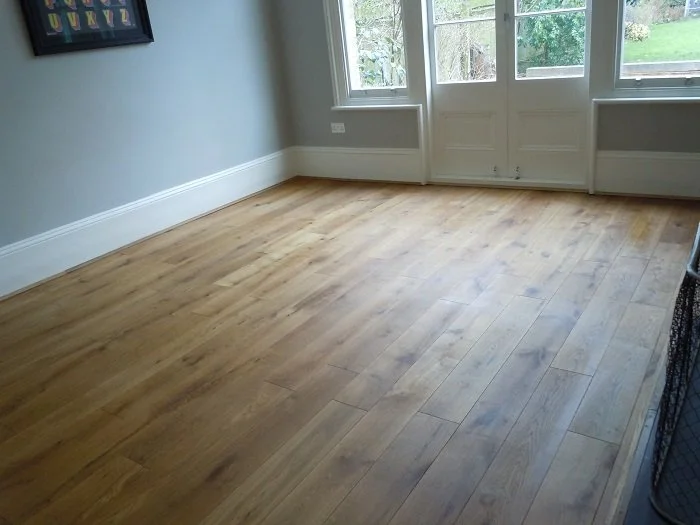
The benefits of an oiled finished floor
Appearance: An oiled hardwood floor looks warm. The natural characteristics and beauty of the wood can be appreciated, as a surface coating of varnish or lacquer does not seal the floor.
Feel: The wood's natural grain is exposed. The oil penetrates the wood, providing good protection against soiling while allowing the wood to breathe. This helps the wood expand and contract naturally without disturbing the surface protection.
Damp Cleaning an Oiled Floor
When damp cleaning an oiled floor, the secret to a successful job is to avoid using excessive water. Too much water on the floor will cause problems by seeping into the joints between the boards and swelling the unprotected wood.
It will again depend on how frequently the floor is used and the level of use, which determines the frequency of damp cleaning. In an average domestic property with light use, the floor could be damp-cleaned weekly to lift any surface soiling.
Ensure that the Hardwood floor cleaning product chosen is suitable for oiled hardwood floors. Osmo a hard wood flooring supplier have a product called wash and care that is suitable, or you should choose a similar product.
Using a small amount as directed on the packaging, add it to the water, and then using your flat mop system, lightly wash the floor over, lifting off any surface soiling. Make sure you rinse the flat mop head regularly and ring it out thoroughly to avoid excess water remaining on the floor surface.
Quick Cleaning Tip
For the best results, work in small sections to achieve an effective result. Rinse often and replace the water and floor care solution as the water starts to appear dirty.
Cleaning Hardwood Oiled Floors
If the floor has become heavily soiled over time, either due to high-frequency use or lack of ongoing maintenance, it can be deep-cleaned, usually without the need to sand the surface.
The first option is to try the damp-cleaning method described in the paragraph above. Allow the floor to dry and repeat the process several times, gently removing the soiling in stages.
A more aggressive approach will be required if that fails to make an impression on the accumulated soiling.
The Deep Clean Method
A stronger cleaning product may be required to help break down the soiling. A citrus-based product or one like Osmo liquid wax cleaner, which is based on natural plant waxes, should be suitable for the task.
The equipment you will require will either be a rotary cleaning machine, which can be hired, or a coarser flat mop head designed for deep cleaning. The mechanical option will save on labour and time, although the hire costs will have to be factored into the budget.
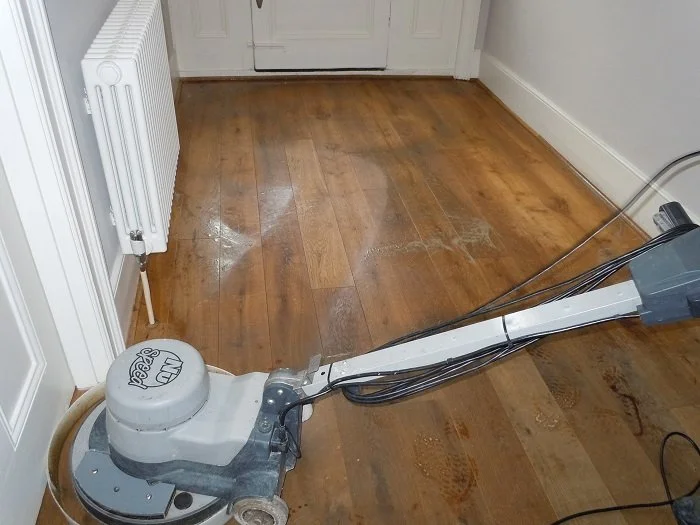
Non-sanding wood floor cleaning
Cleaning and Agitation
Either option will work; the main goal is to use the cleaning agent and the agitation from the flat mop or the floor-cleaning machine to loosen the surface soiling.
Once the soiling has dissolved, it will disperse into the cleaning water. At this point, it is essential to remove the solution quickly by mopping. Please do not allow it to lie on the surface for long; otherwise, it will dry into the wood grain or find its way into the gaps between the floor boards.
Working in small sections is the best method to ensure a controlled operation.
Once the entire floor area has been cleaned using a deep-cleaning method, neutralise the floor with fresh, clean water to remove any remaining residue, then allow the wood to dry thoroughly.
If the flooring appears very dirty or the oil protection has eroded, we can help. Get an online estimate now.
Oiled Floor Maintenance
Once the floor is completely dry, you must check the surface protection. If the intensity of the deep cleaning also removed some of the oil, you must either apply a maintenance oil or, if the floor looks very dry, reapply the oil using a brush or rotary floor machine.
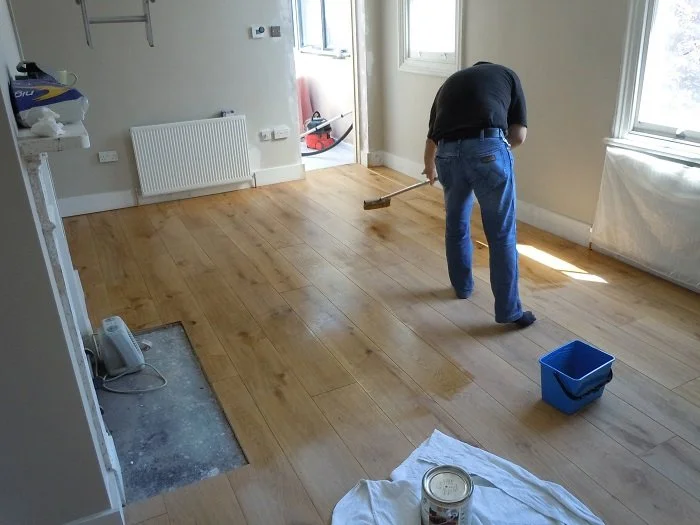
Wood floor oiling