
How to apply wood floor polish
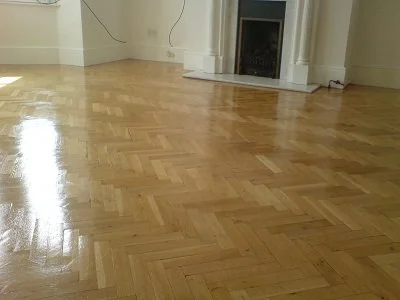
Wood Floor Polishing
Polished hardwood flooring is very popular for several good reasons. It’s stylish, hard-wearing, and can transform any room into a modern, contemporary space.
The polish will require regular cleaning and, from time to time, additional maintenance to keep the surface shiny. As with all hard floor cleaning tasks, having the right tools to hand will make the job much easier and require the minimum of fuss.
For wood floor polishing, you will require a flat mop system with a microfiber mop pad and a rectangular bucket that fits the pad.
There are two options to maintain the shine on hardwood flooring. The first is mechanical polishing, also known as buffing or high-speed buffing. The second is with the application of a polish or dressing. There are many professional floor-cleaning products available on the domestic market that contain an added amount of some form of emulsion dressing. These are commonly known as floor cleaners or floor maintainers.
These products, while cleaning the floor, leave a very thin film of the emulsion on the floor surface to enhance the shine. They work quite well, and as long as they are not over-applied, they don’t cause any harm.
Other products offer a high shine and tough protection for sealed wood or laminate flooring. These can be a good product to use under the correct conditions. It is very important not to overapply these products, as they can be fairly hard to remove when it is time to strip them off to apply fresh coats.
The best method for applying floor polish is with a flat applicator; mopping polish onto a floor with a standard mop can leave an unsatisfactory finish with noticeable gaps and stroke marks. Once the polish has dried and cured, it can be very difficult to remove the marks, and in severe cases, the floor polish may need to be stripped off.
Always ensure the floor has been thoroughly deep-cleaned and that any old surface coatings have been removed before applying new coats. It is recommended not to apply more than 2-3 coats of an emulsion-type floor polish in any one application.
Each coat should be applied evenly, working in manageable sections to ensure the working edge of the polish remains wet.
It’s best to start at the far point of the area or room and work backwards towards the exit. You do not want to box yourself into a corner and then have to wait for the thirty minutes or so until the coat has dried sufficiently to walk upon.
Apply the polish with even strokes, working in one direction, for instance, from left to right.
When applying a second coat of an emulsion floor dressing, it is best to work in the opposite direction to avoid repeating the same application pattern. By creating a cross pattern, any small gaps left in the first coat should be covered by the next coat.
If you notice a gap while the polish is still wet and pliable and the area is accessible, it's best to cover the missed section before it dries.
If it's too far back for you to reach without disturbing the wet polish, wait until the surface has dried, and then lightly touch it in with a small cloth.
Each coat of polish will make the floor look shinier, so be careful when touching in areas to avoid leaving excess overlap.
Allow thirty minutes between coats for most types of emulsion floor polish. Check the instructions for the specific product you select before application or reapplication.
If you would prefer a professional job, use the form.