
Revitalising Wood Floors – Strip & Polish or Sand & Seal?
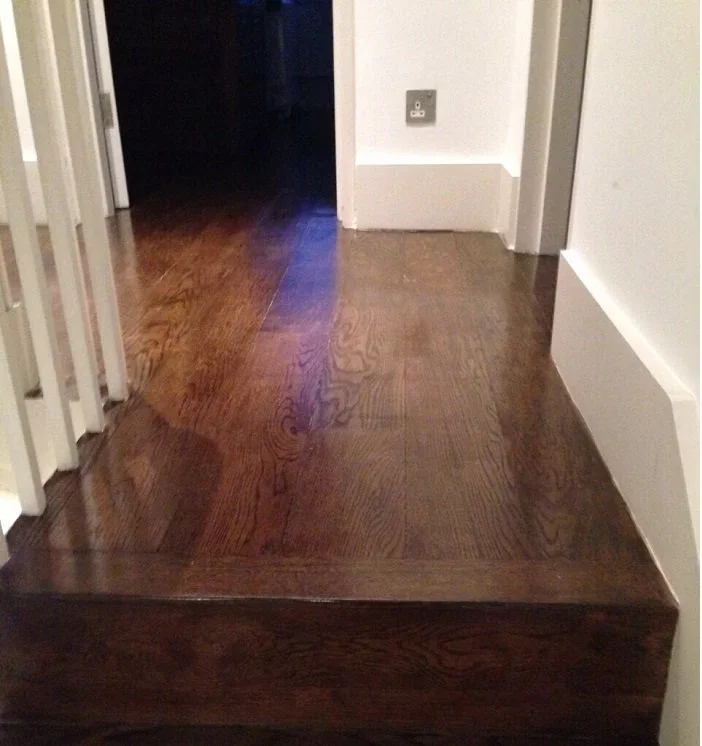
One of the frequent questions we get asked about wood floor cleaning is what’s the best method to use for revitalising wood floors? There are different options available, so I have laid out some basic elements to help.
There are several methods of revitalising wood floors, and they depend on (a) the condition of the floor, and (b) what finish has been previously applied to the floor surfaces.
Let’s take a basic pine floorboard laid several years ago. It would probably have been sealed with a hard, glaze-type floor seal. There are many different products on the market, and you may not be able to determine the brand used.
If the existing floor seal has worn off in high-traffic areas and you can see the bare wood, it is probably suitable for sanding down. Removing the existing seal will require re-sealing. This type of work will require clearing the entire floor area to proceed. This presents a big upheaval, so planning is essential unless the room is already cleared for decoration or is not in general use. Sanding floors can also generate significant fine dust, although many modern sanding machines are equipped with collection attachments.
If the seal appears tired and scuffed but has not worn through, it can be deep-cleaned by a non-sanding method, and a dressing or polish applied. If the wood floor surface has a protective dressing or polish applied over the original seal, it will require a chemical strip before reapplying fresh coats.
Get an estimate now
This process can usually be completed within a day, and it does not involve sanding back the original floor seal. The method for this type of treatment is to use a rotary floor machine and a chemical stripper. Using a delicate, controlled wet cleaning method, the dressing can be removed with an appropriate stripping solution and a non-abrasive vinyl floor pad.
Once the agitation from the floor machine and the dissolving chemical have broken down the floor dressing and reduced it to a slurry, it is removed by a wet pickup vacuum and rinsed several times to neutralise and remove any residue from the floor surface. This process is commonly known as floor polish stripping.
When the floor surface has been mechanically dried, it is ready to receive the dressing or polish, which should be applied in thin coats and allowed to dry in between applications.
The advantage of the stripping method over sanding is that the work can be performed in occupied areas. However, it would normally add time to the operation when factoring in staged cleaning, furniture moving, and additional drying times.
Oiled Hardwood flooring can also be deep-cleaned and oiled using a non-sanding method. In 90% of cases, Simply Floor Cleaning can restore oiled wood floors to a fresh, clean and uniform appearance within a single visit.